Careers Week 2026 guest feature: Department of Education's Train Others in Further Education campaign
Further Education is education for learners aged 16 and over who are not in school or studying for a degree. It prepares people for work through technical and vocational routes that reflect real practice in the construction sector. Colleges need the insight that industry professionals can provide, and your teams already have it.
Why employer involvement matters
When people with current site experience step into training roles in FE, learners see what good looks like in real terms. Standards. Safety. Teamwork. Communication. They hear how decisions are made on live projects. They learn how pace, quality and planning fit together. That makes a difference when they step into the construction sector to begin their careers.
What employers gain
Supporting your workers to train students in FE is a practical way to strengthen your future pipeline. Learners who understand work expectations from the outset are more prepared for site life. Engagement with local colleges also gives employers a voice in what is taught and how courses evolve. Tutors also benefit from professional insight that supports their teaching practice and helps to future-proof their curriculum content.
Workers who contribute often return with improved confidence and stronger mentoring and leadership skills. Many businesses also value the positive impact this has on their local communities.
How involvement works
Workers don’t need any new qualifications to start training students. Tutor training can be completed on the job and may be funded by the employer or the college. Roles in FE can be full-time, with part-time and flexible roles available. Many colleges provide clear guidance on safeguarding, planning and delivery so workers can focus on sharing their industry experience. This can sit alongside a current role in industry and is a strong option for people approaching retirement who want a less physical role that allows them to stay connected to their industry and pass on their skills.
What it can look like in practice
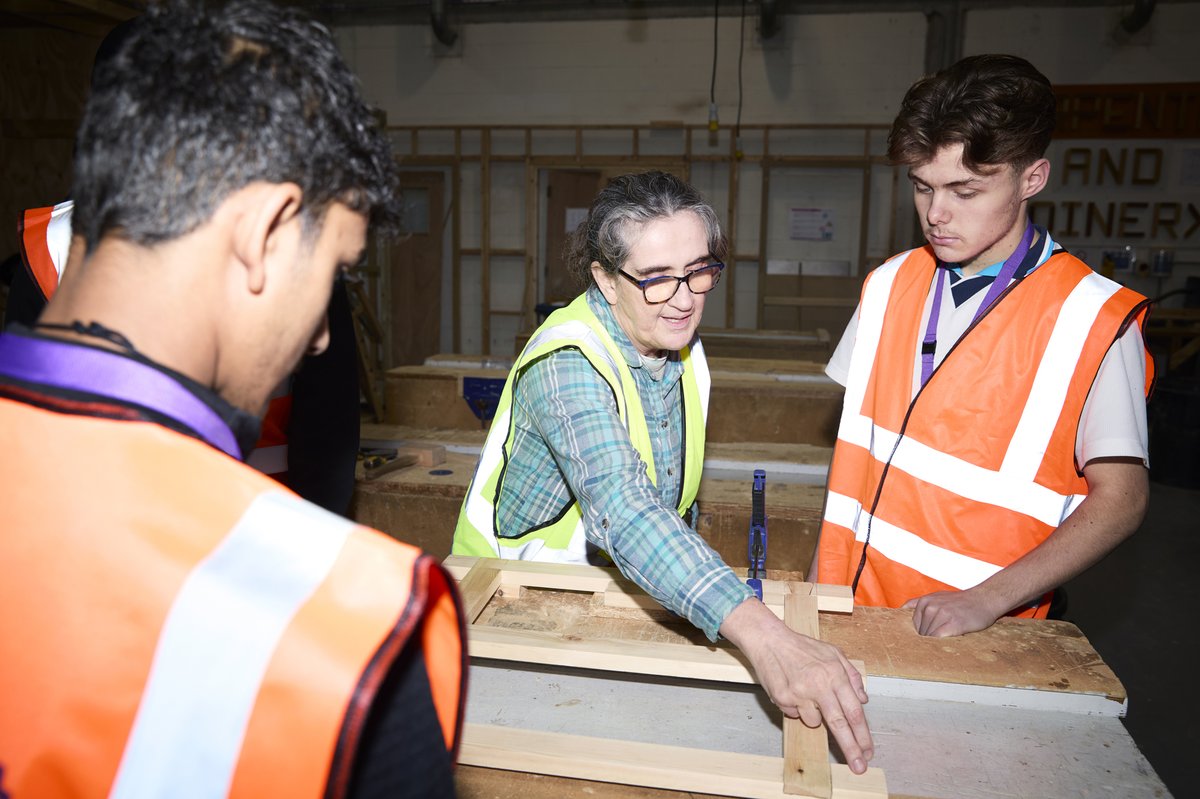
Workers can contribute without changing career direction. Training students at a local college can include walking through a real site scenario or explaining why a method was chosen and how quality is checked. This also includes helping learners build work readiness through teamwork, communication and timekeeping. There are also opportunities to support learners in the workshop, helping them use key tools and apply correct practical techniques. Whatever your specialism, there is likely to be a role in FE to match. By passing on your skills, you are helping learners become ready for the workplace and supporting the construction sector.
Who this suits
A career in FE appeals to people who like sharing their craft and passing on their skills. Experienced trade professionals who already coach students could also be well-suited to a role in FE. Workers looking for development alongside their current job also benefit, as do those who are nearing retirement and want to continue making an impact in a way that feels sustainable.
Support and next steps
Discover how your wider workforce can re-energise the next step of their career: Home page - Teach in further education - Department for Education
You can also partner with a local college to agree on a straightforward first activity that allows workers to share their expertise in a supportive setting. A small step now helps your teams make a real impact and builds a more work-ready pipeline for your business and the construction sector.
Discover more about the HBF Partner a College pilot programme: https://www.hbf.co.uk/industry-attraction-and-skills/partner-a-college/